
Posts

Showing posts with the label disease

Microbiologists

Image
The most effective action anyone can take to prevent the spread of contagious illnesses is to wash his or her hands. Why? Because microbes (organisms so tiny that they can only be seen with microscopes) are ubiquitous. They live on doorknobs, money, your hands, and many other surfaces. If someone sneezes into his hand and touches a doorknob, and afterwards you touch that same doorknob, the microbes from the sneezer’s mucus are now on your hands. If you touch your hands to your mouth, nose, or eyes, those microbes can enter your body and could make you sick. However, not all microbes (also called microorganisms) cause disease; most are actually beneficial. You have microbes in your gut that make vitamin K. Other microorganisms are used to ferment beer and wine. Microbiologists are scientists who study microbes. Microbiologists can pursue a number of careers. Not only do they work in the food industry, they are also employed in the veterinary and medical fields. They can work in the...
Disease of the Circulatory System

Hypertension •          B lood flows through the blood vessels with a force greater than normal i.e. with a blood pressure reading of 140/90 •          When the blood pushes harder against the walls of your arteries, your blood pressure goes up Prevention •          Quit smoking •          Exercise regularly •          Reduce amount of sodium •          Eating a healthy diet Coronary Heart Disease/ Heart  attack •          A heart attack happens when the flow of oxygen-rich blood to a section of heart muscle suddenly becomes blocked and the heart can’t get oxygen. •          If blood flow isn’t restored quickly, the...

Zika- How it affects infants

Image
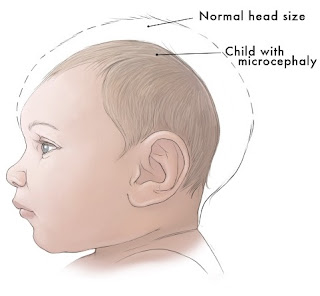
From my previous posts, it was mentioned that Zika rarely causes death, and hospitalization is also uncommon. So what is the most devastating effect of the Zika virus? It can cause  microcephaly in infants. When the virus first began to spread like wildfire in Brazil, Doctors were not very certain of the implications. However, what was observed, was that there was a raising number of microcephaly in infants. Based on further investigation, a link was established between the virus and microcephaly.  What is Microcephaly Microcephaly (my-kroh-SEF-uh-lee) is a rare neurological condition in which an infant's head is significantly smaller than the heads of other children of the same age and sex. Sometimes detected at birth, microcephaly usually is the result of the brain developing abnormally in the womb or not growing as it should after birth. Microcephaly can be caused by a variety of genetic and environmental factors. Children with microcephaly often have dev...

Zika

Image
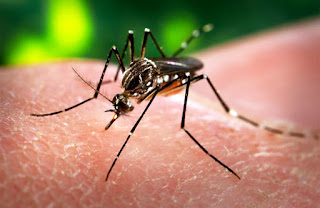
What is Zika? Zika virus is a member of the Flaviviridae virus family and the Flavivirus genus, transmitted by daytime-active Aedes mosquitoes, such as  A. aegypti. How does the virus spread? Aedes aegipti Mosquito Zika virus is transmitted to people primarily through the bite of an infected Aedes species mosquito. These are the same mosquitoes that spread dengue and chikungunya viruses. These mosquitoes typically lay eggs in and near standing water in things like buckets, bowls, animal dishes, flower pots and vases.  They are aggressive daytime biters, prefer to bite people, and live indoors and outdoors near people. Mosquitoes become infected when they feed on a person already infected with the virus. Infected mosquitoes can then spread the virus to other people through bites. What are some of the Symptoms of Zika? -About 1 in 5 people infected with Zika virus become ill (i.e., develop Zika). Symptoms of Zika infection -The most common symp...