CSEC BIOLOGY 2017 - Paper 01
Posts
CSEC BIOLOGY- Answers 2009 to 2020 January

Click on the link below to view the answer sheet CSEC Biology Paper ONE answers


Udemy Biology Course Discount!

Please click on the link below to have access this course. For a limited time only, you can get this course for $9.99 USD. biology-101-a-complete-course

Climate Change

What is climate change? Climate change means a significant change in the measures of climate, such as temperature, rainfall, or wind, lasting for an extended period – decades or longer. The Earth's climate has changed many times during the planet's history, with events ranging from ice ages to long periods of warmth. What’s different about this period of the earth’s history is that human activities are significantly contributing to natural climate change through our emissions of greenhouse gases . This interference is resulting in increased air and ocean temperatures, drought, melting ice and snow, rising sea levels, increased rainfall, flooding and other influences. What cause climate change? Changes in the sun's intensity Volcanic eruptions, or slow changes in the Earth's orbit around the sun Natural processes within the climate system such as changes in ocean current circulation However, the current global aim is to tackle clima...
Microbiologists
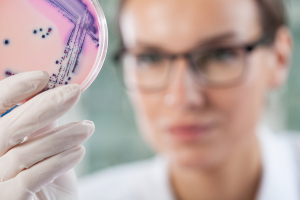
The most effective action anyone can take to prevent the spread of contagious illnesses is to wash his or her hands. Why? Because microbes (organisms so tiny that they can only be seen with microscopes) are ubiquitous. They live on doorknobs, money, your hands, and many other surfaces. If someone sneezes into his hand and touches a doorknob, and afterwards you touch that same doorknob, the microbes from the sneezer’s mucus are now on your hands. If you touch your hands to your mouth, nose, or eyes, those microbes can enter your body and could make you sick. However, not all microbes (also called microorganisms) cause disease; most are actually beneficial. You have microbes in your gut that make vitamin K. Other microorganisms are used to ferment beer and wine. Microbiologists are scientists who study microbes. Microbiologists can pursue a number of careers. Not only do they work in the food industry, they are also employed in the veterinary and medical fields. They can work in the...
Genetic Engineering- Applications
- Enhance quality of food: e.g. incorporation of beta carotene (vitamin A) producing gene in rice for areas that are affected by night blindness. -Production of human insulin, antibiotics and hormones in a very cost effective manne - Treat diseases and conditions such as AIDS, cystic fibrosis, cancer and genetic disorders -Creating a crop that is resistant to a specific herbicide -Create plants that can tolerate high salinity and drought (helps in managing climate change) -Increase milk production in cattle or increase protein content in the milk produced -In the future, it can be used to regrow damaged body parts, teeth, and nerve cells (treat paralysis -Clone organisms or even Humans (but there are ethical concerns -Modify plants to produce larger, and “better” tasting fruits -Modified plants that can absorb pollutants from the environment and break them down into harmless substances -Engineered bananas, potatoes, lettuce, ...
Early Signs of Pregnancy
How does a female know that she is pregnant? A number if early signs are associated with pregnancy, and they usually appear within the first few weeks after conception. However, not all of these signs will be present in everyone. Some of these signs include: - Missed menstrual period: Well, there are other reasons why a female can miss her period, but once a female is pregnant, then the walls of the uterus must remain intact, therefore, she will not have her period. -Implantation bleeding: this is a slight bleeding that occurs at the time of implantation of the embryo into the walls of the uterus. This can usually be observed about 10 to 14 days after implantation. -Tender, swollen breasts -Fatigue: This is because the hormone progesterone will rise significantly and in high doses, it will make the female feel sleepy. It also lowers blood pressure, and blood sugar levels -Constipation: the hormone progesterone can cause food to pass out more slowly t...
Udemy Biology Course: DISCOUNT

FINALLY The course YOU have been looking for With 88 % DISCOUNT! CHECK THE LINK BELOW AND VIEW THE COURSE PREVIEW LECTURES CLICK HERE TO ACCESS THE COURSE -> Biology 101: A Complete O Level Course
Free Online Biology course
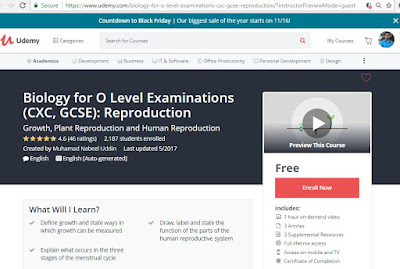
Hello everyone. Please check out this free course on Reproduction. Before you enroll and view the contents, you would need to create an account on www.udemy.com Click here to view the course page Click here to view the course page I also have three paid courses on Udemy. Please check them out by clicking below: Genetics and Reproduction course
Endocrine System

What is the Endocrine system? It is a collection of glands that secrete chemical messages called hormones. Gland: A gland is a group of cells that produces and secretes, or gives off, chemicals. Hormone: are chemicals that regulate or controls the activity of certain cells or organs The nervous system sends electrical messages to control and coordinate the body. The endocrine system has a similar job, but uses chemicals to “communicate” Endocrine system works more slowly than the Nervous system Hormones are released from glands/cells into the blood vessels They travel to target organs, where they cause a change Endocrine vs Nervous system The nervous system sends electrical messages to control and coordinate the body. The endocrine system has a similar job, but uses chemicals to “communicate” Endocrine system works more slowly than the Nervous system Response of Nervous system is short lived, while response of Endocrine system...
Past CXC Paper 1: Human and Social Biology
Click on the links below to access Past CXC papers Human and Social Biology Paper 1 (2011) Human and Social Biology Paper 1 (2010) Human and Social Biology Paper 1 (2009)
Reproduction and Genetics: An online revision course
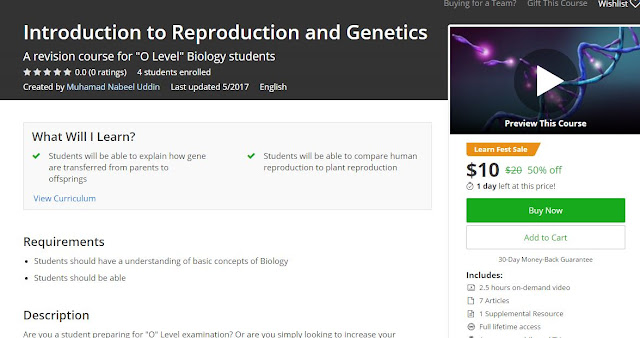
Hello Students. I recently launched a new course: " Introduction to Reproduction and Genetics" on Udemy.com. I wish to encourage you to enroll in this course, which is being offered at a very low cost. If you enroll in my other free courses, and complete 100% of the contents, then I would provide my paid course at a 50% discount. HOW TO ENROLL? You can enroll by first joining https://www.udemy.com . Next, in the search box, you can simply type in the name of my courses e.g. Introduction to Reproduction and Genetics or Introduction to Digestion and excretion (FREE COURSE) Alternatively, you can click on this link below to access the course page directly https://www.udemy.com/reproduction-and-genetics CLICK THE IMAGES BELOW TO HAVE AN ENLARGED VIEW Course Landing Page Course outline Contents for Genetics Section Contents for Reproduction Section
Reproduction
Hello everyone. Please check out this course that was made on the topic Reproduction. In this course, reproduction in plants and humans are examined. In addition, two lectures were included to explain the endocrine system. Click on this link below to check out the course : Biology for O Level Examinations (CXC, GCSE): Reproduction
Lymphatic System
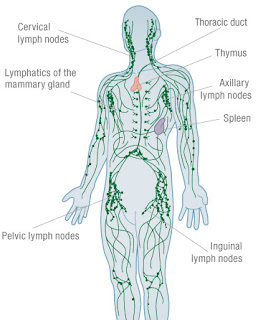
- Blood transports materials such as oxygen, hormones and nutrients. In order for the nutrients to reach the individual cells, tissue fluids are used. They surround the tissues, and act as a ‘middle man’ between the blood and the tissues. - The lymphatic system drains this tissue fluid away from the cells using lymph vessels. - Lymph glands pass to the lymph glands which act as filters. The glands contain many white blood cells. The glands may become swollen during an infection, due to increase production of white blood cells. - Lymph fluid pass on only one direction, because of the presence of valves (similar to veins) Functions of Lymphatic system - Transport tissue fluids back into the blood - ...
Carbon Cycle
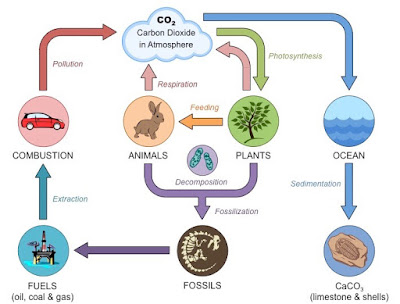
Points to note - - Usually, carbon does not exist alone. It forms molecules or compounds. E.g. it can exist as CO 2 and it is also a component of protein, lipids carbohydrates that found in living organisms - - Carbon enters the Carbon cycle through photosynthesis when plants, algae or some bacteria use carbon dioxide to manufacture food. - - Glucose made, contains carbon (C 6 H 12 O 6 ). The carbon is also used to make plant proteins, and lipids. Therefore, when animals feed on plants, the carbon is transferred to the animals - - Plants and animals undergo respiration, and the glucose (C 6 H 12 O 6 ) breaks down. Carbon Dioxide (CO 2 ) is then released into the atmosphere - - When animals and plants die, or release waste, then microorganisms will feed on the waste, and release...
Nitrogen Cycle
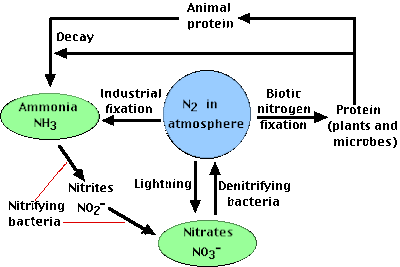
- - Nitrogen not used directly by living organisms - - Nitrogen gas constitute 78% of the air Nitrogen fixation This describes how nitrogen gas from the air is converted into nitrates. Plants use the nitrates as fertilizer. This occurs by two methods 1. Lightening : Lightening causes N2 gas to react with H2O molecules in the atmosphere and form ammonia and nitrates 2. Nitrogen fixing bacteria: some plants, especially leguminous plants, have bacteria living in their root nodules. These bacteria convert the atmospheric nitrogen to nitrates. E.g. of bacteria: Rhizobia Nitrification Animals and plants produce waste. Also, when they die, their body starts to decompose. Ammonia is released, which is then converted to nitrites. The Nitrifying bacteria, such as Nitrosomanas , convert the ammonia to nitrites, and the nitrites to nitrat...